THE ARCHIVE
THE ARCHIVE
The foundational works that shaped this narrative voice.
Every writer is built from the books they consumed. This archive maps the territories that defined my fiction—the grotesque, the philosophical, the unrelentingly strange.
HUNGARIAN GROTESQUE
The Central European tradition of dark absurdism, where comedy and horror blur into uncomfortable truth.

Tóték / Egypercesek / Rózsakiállítás
The master of the one-minute story. Compression as a weapon. Örkény distilled entire novels into single paragraphs, proving that brevity could carry the weight of tragedy.

Ésszel fél az ember
Satirical journalism disguised as fiction. Moldova's sharp eye for Hungarian absurdity created a mirror that reflected uncomfortable truths about society.

Mesék, amelyek rosszul végződnek
Decadence, addiction, the beautiful rot. Csáth wrote like a man who knew darkness intimately—because he did. Stories that smell of opium and decay.
HUNGARIAN SCIENCE FICTION
The overlooked tradition—speculative fiction from behind the Iron Curtain.

A Feladat / Távoli tűz
Hungary's Asimov. Philosophical SF with ethical weight. Zsoldos asked the big questions while the censors weren't looking, hiding dissent in spacecraft and distant planets.

A tökéletes változat
Post-nuclear anti-utopia. A small group of exiles returns to a devastated Earth to build Perfectopolis. Szabó knew perfection always comes at a price.
PHILOSOPHICAL SF
Science fiction as a tool for asking dangerous questions.
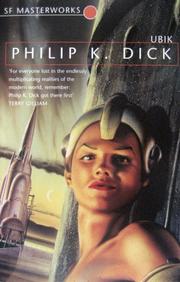
Ubik / Do Androids Dream of Electric Sheep? / A Scanner Darkly
Reality is negotiable. Identity is provisional. Trust nothing. Dick wrote like a man receiving transmissions from a broken universe—because maybe he was.

Solaris / The Cyberiad / His Master's Voice
The limits of human understanding. The alien as truly alien. Lem refused to make contact easy or comprehensible. The universe owes us no explanations.

Foundation / I, Robot
The architecture of futures. Systems thinking as narrative. Asimov built civilizations on paper, then watched them fall according to mathematical certainty.

The Left Hand of Darkness / The Dispossessed
Anthropological SF. Worlds as thought experiments. Le Guin didn't predict the future—she interrogated the present through alien mirrors.
HORROR & WEIRD FICTION
The literature of dread, cosmic indifference, and the unknowable.

At the Mountains of Madness / The Call of Cthulhu
Cosmic horror. Humanity as insignificant. Lovecraft looked up at the stars and felt not wonder but dread. The universe is vast, ancient, and utterly indifferent to our existence.

Songs of a Dead Dreamer / The Conspiracy Against the Human Race
Pessimism as philosophy. Horror as truth. Ligotti writes as if existence itself is the nightmare, and waking up isn't an option. The puppet sees its strings.

Books of Blood / The Hellbound Heart
Body horror. Pleasure and pain intertwined. Barker opened doors that shouldn't be opened and showed us what waits on the other side. The Cenobites remember.
LITERARY FICTION
The non-genre influences—style, structure, voice.

The Trial / The Metamorphosis
Bureaucracy as nightmare. The absurd made mundane. Kafka woke up one morning and found himself transformed into the prophet of modern anxiety. No explanation given.

The Stranger / The Plague
Existentialism without comfort. Camus stared into the absurd and didn't blink. The sun was too bright, the world made no sense, and Meursault pulled the trigger anyway.

Notes from Underground / Crime and Punishment
The psychology of extremity. Dostoevsky dissected the human soul with surgical precision, finding guilt, madness, and redemption tangled in the same bloody mess.